 Author: YouMap Admin
Test Post
August 26, 2021 . 3 min read . Author: YouMap Admin


Human tribes first shared maps to point each other to food, water, crucial resources, and dangers along the way. A map carved in stone, pointed to the safe path home. It wasn’t long ago when crowdsourcing typically manifested in asking the local expert (often found in a gas station). Slowly we’ve lost our way. Now maps focus more on points of interests rather than what’s interesting.Human tribes first shared maps to point each other to food, water, crucial resources, and dangers along the way.
Heading 1
Human tribes first shared maps to point each other to food, water, crucial resources, and dangers along the way. A map carved in stone, pointed to the safe path home. It wasn’t long ago when crowdsourcing typically manifested in asking the local expert (often found in a gas station). Slowly we’ve lost our way. Now maps focus more on points of interests rather than what’s interesting.
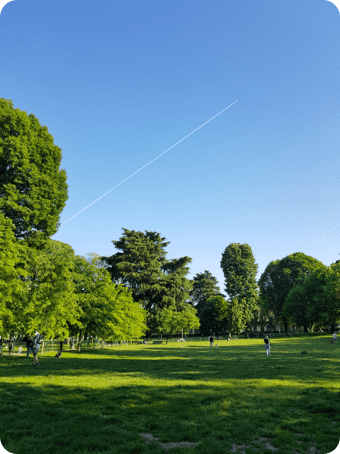
Human tribes first shared maps to point each other to food, water, crucial resources, and dangers along the way. A map carved in stone, pointed to the safe path home. It wasn’t long ago when crowdsourcing typically manifested in asking the local expert (often found in a gas station). Slowly we’ve lost our way. Now maps focus more on points of interests rather than what’s interesting.
A map where humans share information with each other – just like our ancestors did.
Human tribes first shared maps to point each other to food, water, crucial resources, and dangers along the way. A map carved in stone, pointed to the safe path home. It wasn’t long ago when crowdsourcing typically manifested in asking the local expert (often found in a gas station). Slowly we’ve lost our way. Now maps focus more on points of interests rather than what’s interesting.
Subtitle
heading 3
Human tribes first shared maps to point each other to food, water, crucial resources, and dangers along the way. A map carved in stone, pointed to the safe path home. It wasn’t long ago when crowdsourcing typically manifested in asking the local expert (often found in a gas station). Slowly we’ve lost our way. Now maps focus more on points of interests rather than what’s interesting.Human tribes first shared maps to point each other to food, water, crucial resources, and dangers along the way. A map carved in stone, pointed to the safe path home. It wasn’t long ago when crowdsourcing typically manifested in asking the local expert (often found in a gas station). Slowly we’ve lost our way. Now maps focus more on points of interests rather than what’s interesting.Human tribes first shared maps to point each other .
heading 4
Human tribes first shared maps to point each other to food, water, crucial resources, and dangers along the way. A map carved in stone, pointed to the safe path home. It wasn’t long ago when crowdsourcing typically manifested in asking the local expert (often found in a gas station). Slowly we’ve lost our way. Now maps focus more on points of interests rather than what’s interesting.
Human tribes first shared maps to point each other to food, water, crucial resources, and dangers along the way. A map carved in stone, pointed to the safe path home. It wasn’t long ago when crowdsourcing typically manifested in asking the local expert (often found in a gas station). Slowly we’ve lost our way. Now maps focus more on points of interests rather than what’s interesting.Human tribes first shared maps to point each other to food, water, crucial resources, and dangers along the way. A map carved in stone, pointed to the safe path home. It wasn’t long ago when crowdsourcing typically manifested in asking the local expert (often found in a gas station). Slowly we’ve lost our way. Now maps focus more on points of interests rather than what’s interesting.Human tribes first shared maps to point each other .
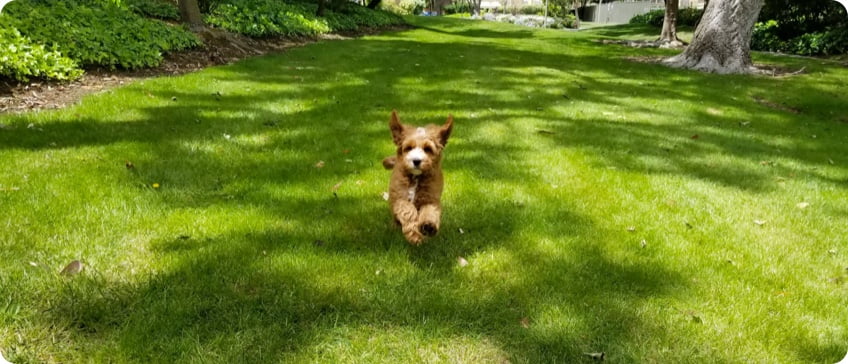
Human tribes first shared maps to point each other to food, water, crucial resources, and dangers along the way. A map carved in stone, pointed to the safe path home. It wasn’t long ago when crowdsourcing typically manifested in asking the local expert (often found in a gas station). Slowly we’ve lost our way. Now maps focus more on points of interests rather than what’s interesting.Human tribes first shared maps to point each other to food, water, crucial resources, and dangers along the way. A map carved in stone, pointed to the safe path home. It wasn’t long ago when crowdsourcing typically manifested in asking the local expert (often found in a gas station). Slowly we’ve lost our way. Now maps focus more on points of interests rather than what’s interesting.Human tribes first shared maps to point each other .
Human tribes first shared maps to point each other to food, water, crucial resources, and dangers along the way. A map carved in stone, pointed to the safe path home.
Human tribes first shared maps to point each other to food, water, crucial resources, and dangers along the way. A map carved in stone, pointed to the safe path home.
Human tribes first shared maps to point each other to food, water, crucial resources, and dangers along the way. A map carved in stone, pointed to the safe path home.
Subtitle
Human tribes first shared maps to point each other to food, water, crucial resources, and dangers along the way. A map carved in stone, pointed to the safe path home. It wasn’t long ago when crowdsourcing typically manifested in asking the local expert (often found in a gas station). Slowly we’ve lost our way. Now maps focus more on points of interests rather than what’s interesting.
- unorder list item 1
- unorder list item 2
- unorder list item 1
- unorder list item 2
- unorder list item 3
- unorder list item 4
- unorder list item 1
- unorder list item 2
- unorder list item 5
Subheading
Human tribes first shared maps to point each other to food, water, crucial resources, and dangers along the way. A map carved in stone, pointed to the safe path home. It wasn’t long ago when crowdsourcing typically manifested in asking the local expert (often found in a gas station). Slowly we’ve lost our way. Now maps focus more on points of interests rather than what’s interesting.


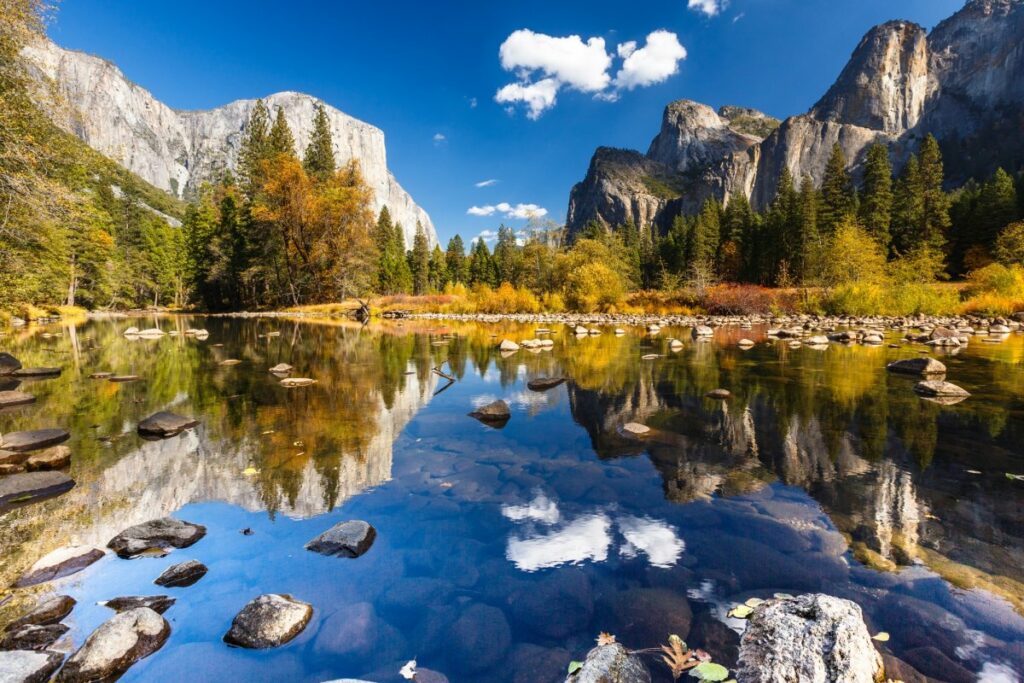
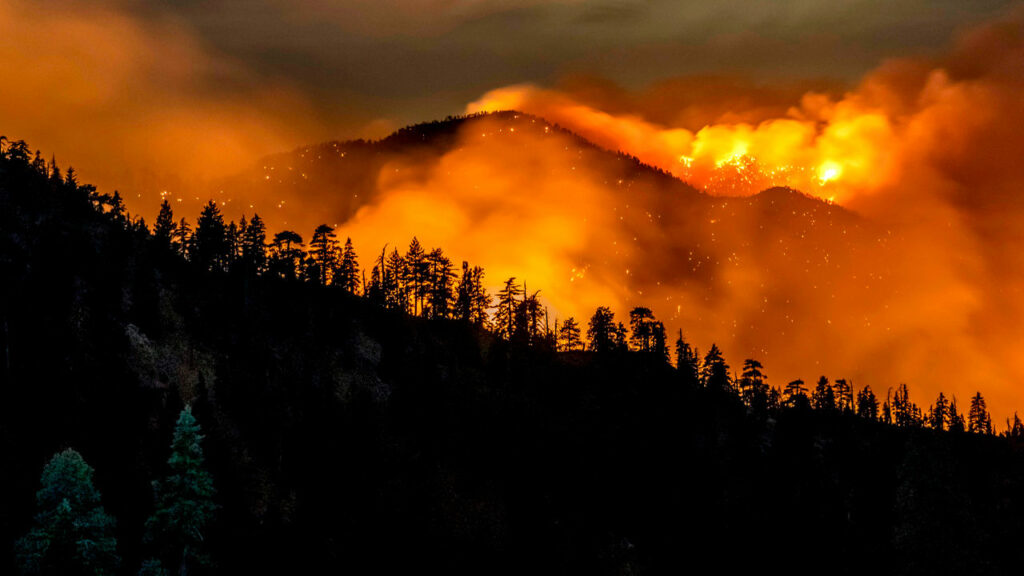
here is the picture caption
- unorder list item 1
- unorder list item 2
- unorder list item 1
- unorder list item 2
- unorder list item 3
- unorder list item 4
- unorder list item 1
- unorder list item 2
- unorder list item 5

 Build your world